Boxing Matchup Tips to Master Hand and Foot Control
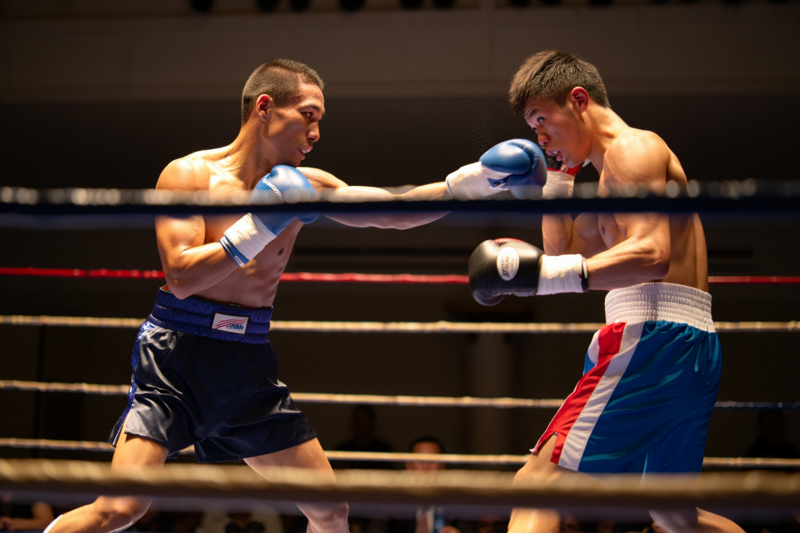
In the fast-paced world of boxing, victory often hinges on the subtle details — particularly hand control and foot positioning. These fundamental elements can make the difference between winning and losing a jab exchange, dictating the rhythm of combat and dictating your opponent’s response. By honing these skills, fighters can enhance their offensive and defensive capabilities, leading to more effective fight strategies.
Why Hand and Foot Control Matter in Boxing
Effective hand control allows you to:
- Maintain distance
- Set up powerful punches
- Disrupt your opponent’s rhythm
- Minimize exposure to counterattacks
Proper foot positioning provides:
- Stability and balance
- Better angle creation
- Increased mobility to chase or evade
- Superior ring control
In essence, mastering these key areas transforms a fighter from reactive to proactive, giving you the control needed to dominate the ring.
Core Strategies for Improving Hand Control
1. Focus on Lead Hand Engagement
Your lead hand is your primary tool for jauging distance and probing your opponent’s defense. To enhance its effectiveness:
- Keep a relaxed, but quick, jab ready at all times.
- Use your lead hand to control your opponent’s gloves or shoulders, disrupting their timing.
- Practice “snap jabs” that quickly extend and retract, maintaining fluid motion to prevent your opponent from countering effectively.
2. Establish a “Handshake” Feel
Think of your gloves as engaging in a tentative handshake:
- Maintain light but firm contact during hand exchanges.
- Control your opponent’s leads by maintaining hand distance and detecting their next move.
- Focus on subtle cues like weight shifts or shoulder movement to anticipate their attack.
3. Use Hand Feints for Setups
Controlled hand movements can bait your opponent into openings:
- Mimic punch setups to draw their guard.
- Use feints to manipulate their hand placement and create openings for powerful combinations or jabs.
Key Foot Positioning Techniques
1. Maintain Proper Stance Width
A balanced stance ensures agility:
- Keep your feet shoulder-width apart.
- Slightly bend your knees for better balance.
- Distribute weight evenly to enable quick lateral or forward movements.
2. Move with Precision
Effective footwork involves:
- Small, deliberate steps to adjust distance.
- Pivoting on your lead foot to create angles.
- Circling gently to control the ring and reset your position.
3. Establish Dominant Foot Placement
Your foot placement can influence your attacking power and defensive stability:
- Move into your opponent’s blind side to set up offensive combinations.
- Keep your rear foot slightly outside the lead foot for optimal power generation.
- Use lateral footwork to evade counters while maintaining offensive pressure.
Integrating Hand and Foot Control for Jab Battle Dominance
Creating a Control-Based Approach
Combining hand and foot techniques enables you to:
| Tactic | Result |
| Disrupt opponent’s rhythm | Make them hesitate, creating openings for your punch |
| Maintain optimal range | Keep them at striking distance while remaining mobile |
| Set up powerful combinations | Use footwork to maneuver into better angles for your shots |
Practical Drills to Enhance Control
- Shadowboxing with Emphasis on Hand and Foot Placement: Focus on maintaining hand control and precise footwork.
- Pad Work Drills: Work with a coach to simulate jab exchanges, emphasizing hand positioning and foot pivoting.
- Ring Circling Exercises: Practice maintaining distance, mixing forward and lateral movements with hand control.
Frequently Asked Questions
How can I improve my jab control during a fight?
Consistent practice focusing on rhythm and distance management is key. Work on light, quick jabs, and use hand feints to disrupt your opponent’s timing, complemented by foot movement to maintain optimal range.
What drills best enhance foot positioning?
Ladder drills, cone drills, and controlled ring movement exercises help develop agility and precise foot placement. Practicing pivots and sidesteps improves your ability to create angles and maintain control.
How does hand control affect defensive techniques?
Strong hand control enables you to block or parry effectively, set up counterpunches, and prevent your opponent from establishing dominance in exchanges. It also helps anticipate their rhythm for timely evasive maneuvers.
Mastering hand and foot control is essential to dominate your opponent in the boxing ring. By focusing on precise hand engagement, strategic feints, and disciplined footwork, you’ll improve your ability to control jab exchanges, set up offensive combinations, and defend effectively. Incorporate these techniques into your training regimen and watch your overall fighting technique elevate — giving you a competitive edge in every bout.
Stay ahead in combat sports with tailored training, expert insights, and a commitment to mastering the fundamentals. Explore more boxing strategies and fight tips at CombatAtlas — your ultimate combat sports information portal.