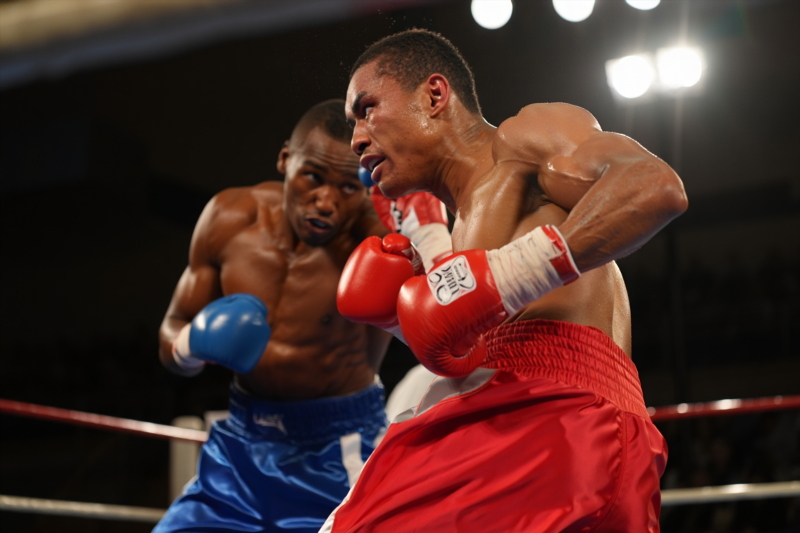
Boxing Pressure Versus Counterpunching: Strategies to Win Fights
In the world of boxing, victory is often determined by the ability to control the ring and outthink your opponent. Two fundamental tactics—pressure fighting and counterpunching—serve as the cornerstone of many successful fighters’ arsenals. Understanding how to effectively apply these strategies can turn the tide of a match, help secure rounds, and deliver knockdowns. Whether you’re a seasoned boxer or an aspiring amateur, mastering these techniques is essential for dominating fights.
The Art of Boxing Pressure: Dominating the Ring
What Is Pressure Fighting?
Pressure fighting involves relentlessly advancing toward your opponent, keeping them on the back foot, and dictating the match’s pace. This aggressive approach aims to drain your opponent’s energy, create openings, and force mistakes that lead to scoring opportunities or knockdowns.
Key Elements of Effective Pressure
- Constant Forward Movement: Maintaining an aggressive stance with no downtime.
- High Punch Volume: Throwing combinations to overwhelm and break down defenses.
- Cutting Off the Ring: Limiting your opponent’s space to escape or counterattack.
- Physical and Mental Endurance: Staying relentless without succumbing to fatigue or frustration.
How to Win Rounds with Pressure
- Control the Pace: Push the tempo to set the rhythm.
- Maintain Must-Keep Distance: Keep your opponent on the back foot, making them feel uncomfortable.
- Target Weaknesses: Identify and exploit openings created by their retreat.
Strategies to Secure Knockdowns with Pressure
- Set Up with Feints and Body Shots: Use feints to bait counters and step in with powerful hooks or uppercuts.
- Apply Body Pressure: Target the ribs and liver, which can weaken opponents and set up headshots.
- Maintain Balance and Composure: Remain calm under pressure to capitalize on openings.
Counterpunching: The Art of Precision
What Is Counterpunching?
Counterpunching is a defensive strategy that involves reacting to your opponent’s attacks with well-timed and accurate counters. This technique relies on patience, sharp reflexes, and tactical intelligence to lull opponents into overcommitting.
Core Principles of Effective Counterpunching
- Observation: Reading an opponent’s patterns and tendencies.
- Timing: Exploiting moments when they commit to an attack.
- Accuracy: Delivering precise, impactful shots that score and potentially daze or knock down.
- Patience: Waiting for the right moment rather than rushing.
How to Win Rounds with Counterpunching
- Defend Then Attack: Use head movement, footwork, and parries to evade and create counter opportunities.
- Force Opponent’s Hand: Induce aggressive behavior and capitalize on their overreach.
- Control the Fight’s Tempo: Slow the action to your rhythm, making the opponent uncomfortable.
Techniques to Secure Knockdowns via Counterpunching
- Slip and Counter: Evasion followed by a quick punch targeting openings.
- Counter with Power Shots: Hooks and uppercuts delivered as your opponent commits.
- Exploiting Overextensions: Punish aggressive moves that put them off balance.
Comparing Strategies: Pressure vs. Counterpunching
| Aspect | Pressure Fighting | Counterpunching |
| Preferred Situation | When fighting at close-range, against a passive opponent | When facing a cautious, reactive opponent |
| Risk Level | Higher, if overcommitting | Lower, relies on patience and timing |
| Energy Consumption | High — sustained movement and punch volume | Moderate — focusing on select, well-timed shots |
| Effective Against | Defensive styles, when overwhelming is possible | Aggressive or aggressive-reactive fighters |
Combining Strategies: The Hybrid Approach
The most skilled fighters often blend pressure and counterpunching, adapting to the opponent’s style and fight’s flow. For example:
- *Start with pressure* to unsettle the opponent.
- *Switch to counterpunching* when they attempt to evade or overcommit.
- *Use pressure to set up counters,* and vice versa, creating an unpredictable and difficult-to-read style.
Final Tips for Success
- Study Your Opponent: Know their tendencies to choose the right strategy.
- Develop Strong Defense and Footwork: Essential for both pressure and counterpunching.
- Condition Your Body and Mind: Endurance and mental toughness are critical.
- Practice Scenario Drills: Simulate situations to improve decision-making under pressure or while countering.
Frequently Asked Questions
Q: Can pressure fighting lead to more knockdowns? A: Yes. Consistent pressure causes fatigue and openings, increasing the chance of securing knockdowns through body shots or head combos.
Q: Is counterpunching easier for beginners? A: Counterpunching requires refined timing and reading ability, often making it a more advanced technique. Beginners should focus on developing fundamental defense and timing first.
Q: Should I always use one strategy? A: No. Successful fighters often adapt, blending pressure and counterpunching to keep opponents guessing and dictating the fight.
Mastering the balance between boxing pressure and counterpunching offers a versatile pathway to victory. By understanding each strategy’s nuances and knowing when and how to employ them, fighters can dominate rounds, land decisive knockdowns, and ultimately, secure victory. Elevate your boxing game by integrating these techniques, and transform your approach in the ring.
*Ready to take your boxing strategy to the next level? Explore our comprehensive fighter profiles, expert analysis, and training guides at CombatAtlas to sharpen your skills and dominate your next fight.*