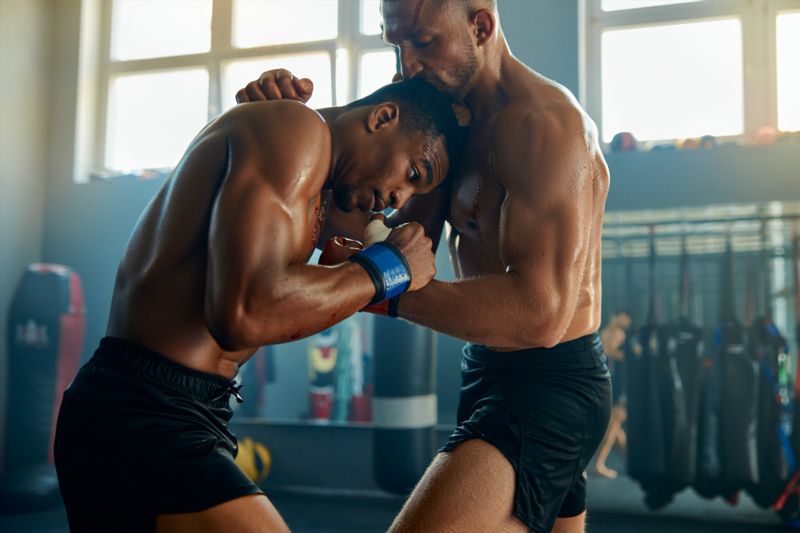
Unveiling the Power of Clinching in Combat Sports
In the intense world of mixed martial arts (MMA), boxing, kickboxing, and grappling, the clinch is more than just a moment of pause — it’s a pivotal position that can dictate the outcome of a fight. CombatAtlas, your premier combat sports information portal, delves into the strategic significance of clinching techniques across sports. Understanding how controlled pummeling and gripping can influence knee stability and overall performance is essential for fighters aiming for victory.
The Role of Clinching in Different Combat Sports
MMA and Grappling
In MMA and Brazilian Jiu-Jitsu, clinching serves as a strategic tool to control opponents, set up takedowns, or land effective strikes. Proper pummeling — the ongoing battle for inside control of limbs — enables athletes to dominate the clinch, improve posture, and apply groundwork or submission attempts.
Boxing and Kickboxing
While boxing emphasizes head movement and footwork, clinching prevents opponents from throwing damaging punches. In kickboxing, clinch work enables fighters to execute powerful knees and short strikes, especially in close quarters.
Common Goals of Clinching Techniques:
- Maintain control over the opponent
- Power up knee strikes and elbows
- Disrupt opponent’s rhythm
- Set up takedowns or ground positions
- Protect oneself from aggression
How Pummeling Frames and Strengthens Knees
The Mechanism: Pummeling and Knee Stability
Pummeling is the dynamic process of fighting for positional inside control, often involving the forearms and shoulders. When executed with controlled force, pummeling:
- Enhances muscular endurance around the knees
- Improves joint stabilization through repeated load
- Builds resilience against unnatural stresses, preventing injury
- Promotes proper alignment during fighting exchanges
Pummeling and Maximum Force Application
Strategic pummeling transitions into powerful knee strikes, which rely heavily on knee stability and strength. A well-conditioned clinch position grants fighters the leverage to land vicious knees, targeting vital areas such as the ribs, thighs, and head, directly influencing fight outcomes.
Effective Clinching Techniques for Strengthening Knees and Achieving Victory
| Technique | Description | Benefits | Suitable for |
| Inside Pummel | Gaining inside control by battling for underhooks or overhooks | Creates space for knees and set-ups | All combat styles |
| Shoulder Pummel | Using shoulder pressure to off-balance opponent | Enhances control and durability | MMA, Grappling |
| Underhook Battles | Securing an underhook to manipulate opponent’s posture | Stabilizes knees and improves posture | Boxing, Kickboxing |
| Kneeling Clinch | Dropping into a knee strike-ready stance | Prepares for powerful knees | MMA, Kickboxing |
| Frame Control | Using arms to create frames that support knee strikes | Protects knees from counters | MMA, Grappling |
Tips for Improving Your Clinch and Knee Power
- Consistently practice pummeling drills to develop seamless control
- Strengthen knee stabilizers through targeted resistance training
- Master proper posture to avoid strain and injury
- Focus on controlled, explosive movements during clinch exchanges
- Incorporate video analysis of champion clinchers to refine technique
Why Clinching Matters: From Control to Victory
Strategic clinching can be the deciding factor in a fight. By mastering pummeling techniques that strengthen knees and improve inside control, fighters gain:
- Enhanced durability against strikes
- Increased ability to deliver decisive knee attacks
- Better control over pacing and rhythm
- Elevated confidence in close-quarters combat
These benefits directly impact fight outcomes, showcasing the importance of clinch mastery in the sport.
Frequently Asked Questions
How does clinching influence fight outcomes?
Clinching allows fighters to control distance, set up strikes or takedowns, and impose their fighting style, often leading to fatigue, damage, or submission opportunities for the opponent.
Can improving knee strength affect clinch effectiveness?
Absolutely. Strong knees and muscular control around the joint improve stability, enabling fighters to execute clinching techniques with greater force and resilience, and to withstand joint stress during intense exchanges.
What drills help improve clinching in sports?
Pummeling drills, isometric holds, shadow clinching with resistance bands, and sparring with a focus on clinch control are highly effective methods.
Is clinching advisable for beginners?
Yes, but with proper supervision and technique training. Building a solid foundation reduces injury risk and improves confidence in close-range combat.
Final Thoughts: Elevate Your Performance Through Strategic Clinching
In combat sports, every position counts. The art of clinching — especially when combined with effective pummeling techniques — can significantly impact knee stability, control, and ultimately, victory. Consistent practice, targeted strength training, and mastery of strategic grips will give fighters the edge they need. Starting today, focus on refining your clinch game to dominate your opponents and improve your overall performance across MMA, boxing, kickboxing, or grappling.
Discover the full spectrum of fight strategies with CombatAtlas — your go-to portal for in-depth analysis, fighter profiles, and expert insights. Stay ahead in combat sports. Stay victorious.